Scientists Discover Natural Compound That May Naturally Support GLP-1 Signaling After Age 35
Independent metabolic research reveals how a rare compound in green matooke may influence GLP-1 signaling and appetite regulation.
Many people searching for natural ways to increase GLP-1 are now exploring a resistant starch compound found in early harvested green matooke.
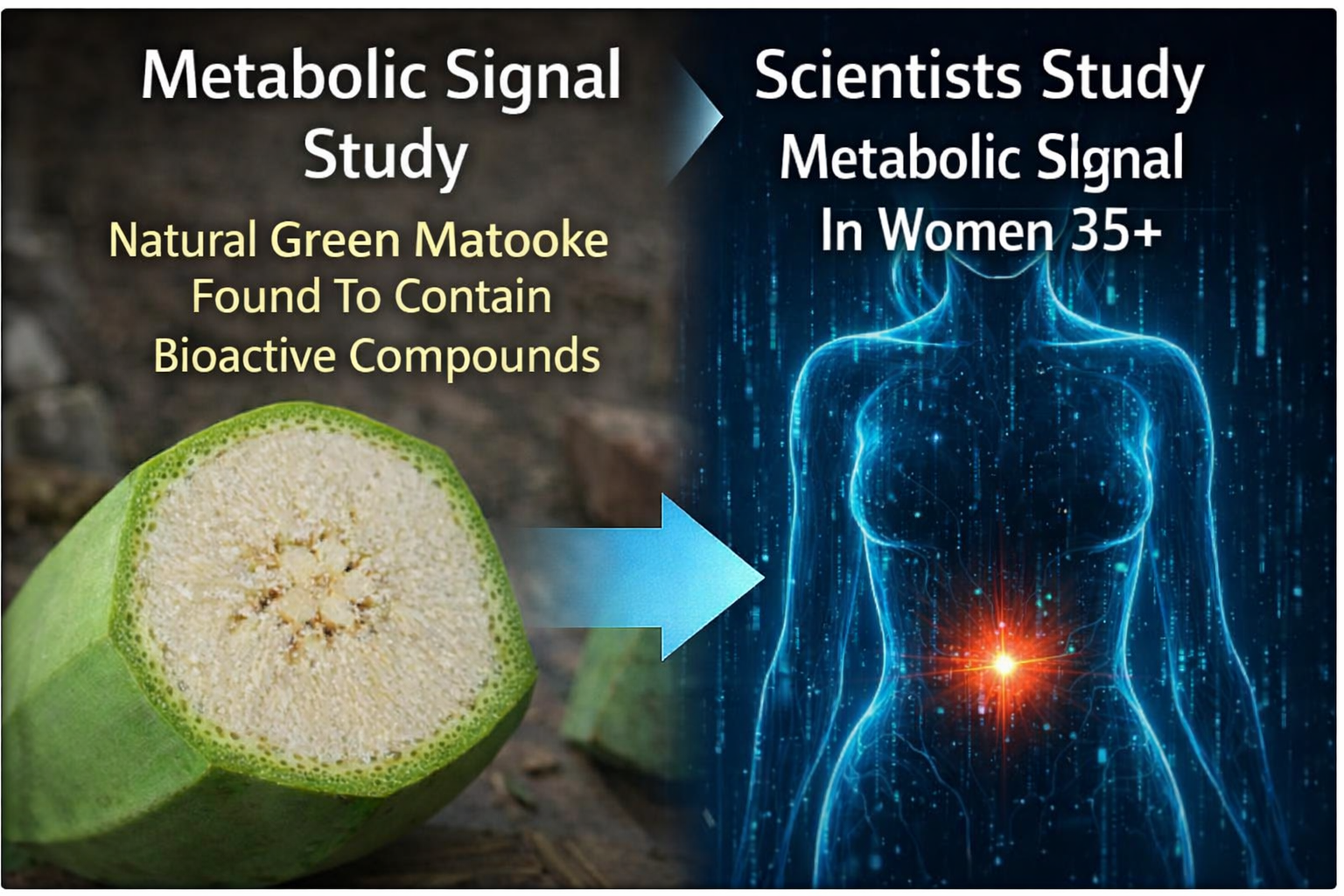
More than 147,000 women explored this metabolic support method in 2026.
What you will discover:
- Why GLP-1 levels often decline after age 35.
- The natural RS-2 compound found in early harvested green matooke.
- How gut microbiome research is connected to GLP-1 signaling.
- Why traditional diets sometimes fail to support metabolic balance.
Researchers studying metabolic health have recently focused on resistant starch compounds found in certain plant foods.
One of the most interesting discoveries comes from communities where green matooke bananas are a dietary staple.
These bananas contain a specific form of resistant starch (RS-2), which scientists believe may influence gut bacteria and metabolic signaling.
Recent research suggests this interaction could play a role in several biological systems including appetite regulation and metabolic efficiency.
While more research is still underway, these discoveries have opened new discussions about how natural compounds may support the body’s metabolic communication network.
The full presentation explains the science behind these discoveries and how they are currently being studied.